Why Many Factories Trust AC Fans for Cooling
It’s never easy to keep big manufacturing facilities cool. Factories require dependable solutions that strike a balance between durability, efficiency, and performance due to heavy machinery, rising energy costs, and continuous production. This explains why so many companies are switching to AC fans for factory cooling instead of traditional air conditioning systems.
The causes of this trend, the function of industrial AC fans, and the reasons why AC axial fans in factories are regarded as one of the best and most economical options for industrial settings will all be covered in this guide.
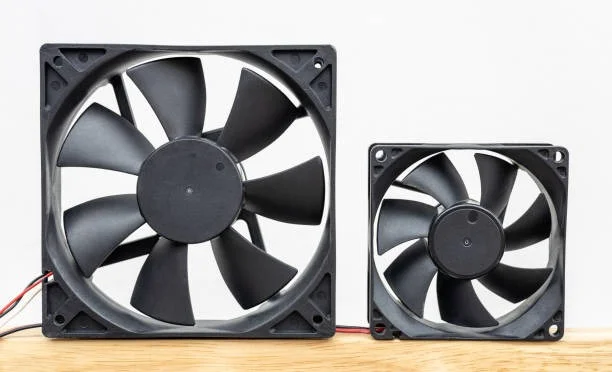
The Principal Advantages of Industrial AC Fans
Because industrial cooling fans provide a special combination of efficiency, robustness, and adaptability, factories favor them. Let’s examine the main advantages:
Energy Efficiency: Energy-efficient industrial fans use a lot less electricity than conventional HVAC systems. According to numerous reports, industrial fans can help lower HVAC load by as much as 30%, which can result in significant cost savings.
Durability: Equipment used in heavy-duty operations must be long-lasting. Strong industrial cooling fans are made to resist heat, dust, and continuous use without breaking down very often.
Low Noise Operation: By preserving air circulation without upsetting employees, contemporary low-noise air conditioning fans in factories guarantee a comfortable working environment.
Better Air Circulation: Fans help factories improve air circulation, which lowers heat pockets, increases worker comfort, and improves air quality.
How Factory AC Axial Fans Operate
The AC axial fan is the most popular kind of fan in industrial settings. These fans are very efficient axial fans for factory heat dissipation because they draw air in parallel to the shaft and push it out in the same direction.
AC axial fans in factories, when placed strategically:
- Use little energy to move large amounts of air.
- Give particular pieces of machinery or production lines targeted cooling.
- Where HVAC may not be sufficient, support industrial fans and large-area cooling solutions.
Why Factories Choose AC Fans Over Air Conditioning Systems
Reduced Costs: Installing and maintaining traditional air conditioners can be costly. In contrast, factories opt for AC fans rather than air conditioning systems due to the fact that fans are less expensive while still providing efficient cooling.
Scalability: While HVAC needs centralized ductwork, AC fans can be added to designated zones as needed.
Sustainability: Factories reduce their environmental impact and energy costs by using fans to reduce the HVAC load.
Because of this, AC cooling fans are now a reliable option in manufacturing facilities for sectors like electronics, textiles, and automobiles.
Applications of Industrial AC Fans in the Real World
Because of their adaptability, industrial fans can be used in a variety of settings. Among the widely used applications are:
- Fans for ventilation are used in factories to lessen smells and fumes.
- Axial fans used in assembly lines for ventilation and temperature control.
- Industrial fans for warehouses and distribution centers that provide large-area cooling solutions.
- For energy-efficient factory cooling in high-heat production areas, use AC axial fans.
These uses demonstrate how AC fans are a comprehensive air management system for industrial facilities, not just a cooling option.
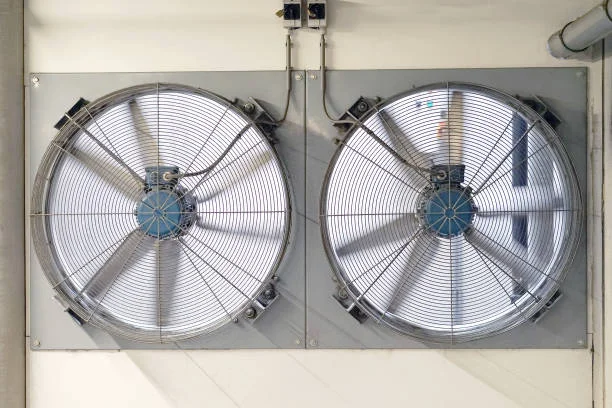
Long-Term Worth and Upkeep
The extended lifespan of AC fans is another factor driving factory investment.
Maintenance: Industrial fan lifecycle benefits and maintenance are easier and less expensive than HVAC systems.
Durability: If properly maintained, long-lasting industrial cooling fans can go for many years before needing to be replaced.
Return on Investment: Lower energy bills and reduced HVAC usage mean companies quickly recover the cost of installation.
Over time, AC fans turn out to be a wise investment in addition to a cooling solution.
Conclusion
The power of fan-based cooling is being realized by factories all over the world, from axial fans for heat dissipation to energy-efficient industrial fans. AC fans for factory cooling provide a clever, economical, and sustainable solution by increasing air circulation, lowering energy consumption, and reducing reliance on HVAC systems.
FAQs
Why are factory air conditioning systems inferior to AC fans?
Compared to conventional HVAC systems, air conditioning fans are less expensive, use less energy, and are simpler to install. They continue to deliver dependable cooling while also assisting in lowering the overall HVAC load.
What advantages do factories get from using AC axial fans?
High airflow, effective heat dissipation, low noise levels, and durability are all provided by AC axial fans. In industrial settings, they are perfect for targeted ventilation and large-area cooling.
In what ways do industrial air conditioning fans enhance energy efficiency?
Industrial AC fans can reduce energy consumption by up to 30% and electricity bills by reducing the need for heavy HVAC usage through improved air circulation.
Can all kinds of manufacturing facilities use AC fans?
Yes. To enhance air circulation and preserve a safe working environment, AC fans are utilized in a variety of industries, including electronics, automotive, textile, and food processing.
How often do industrial AC fans need to be maintained?
Industrial AC fans usually only need to be cleaned and inspected occasionally. They have long-term value and can endure for many years with the right maintenance.