How to Pick Your Production Line’s Best Capsule Filling Machine
Making the correct capsule filling machine choice could revolutionize your pharmaceutical or supplement company. Choosing the right machine guarantees efficiency, accuracy, and compliance whether you’re starting with small batches or expanding to large-scale industrial production. We’ll go over everything you need to know in this guide, from recognizing the different kinds of machines to choosing the one that best suits your production requirements.

A Brief Introduction to Capsule Filling Machines
Powders, granules, or pellets are put into empty capsules using a capsule filling machine, sometimes referred to as an encapsulation machine or capsule filler. These devices range in complexity from fully automated capsule filling machines intended for large-scale operations to manual capsule fillers.
Which Is Better for You: Automatic or Manual Capsule Filling Machines?
Machines for manually filling capsules
Ideal for R&D labs or small-scale operations. Although these are less expensive, they are less suitable for high output requirements because each step requires human labor.
Automatic Filling Machines for Capsules
Made to work on massive production lines. These devices provide faster encapsulation, more precise filling, and less human intervention. Perfect for pharmaceutical companies and supplement brands seeking GMP compliance and consistent results. Purchasing an automatic capsule filling machine is frequently more cost-effective in the long run if you’re looking for long-term scalability.
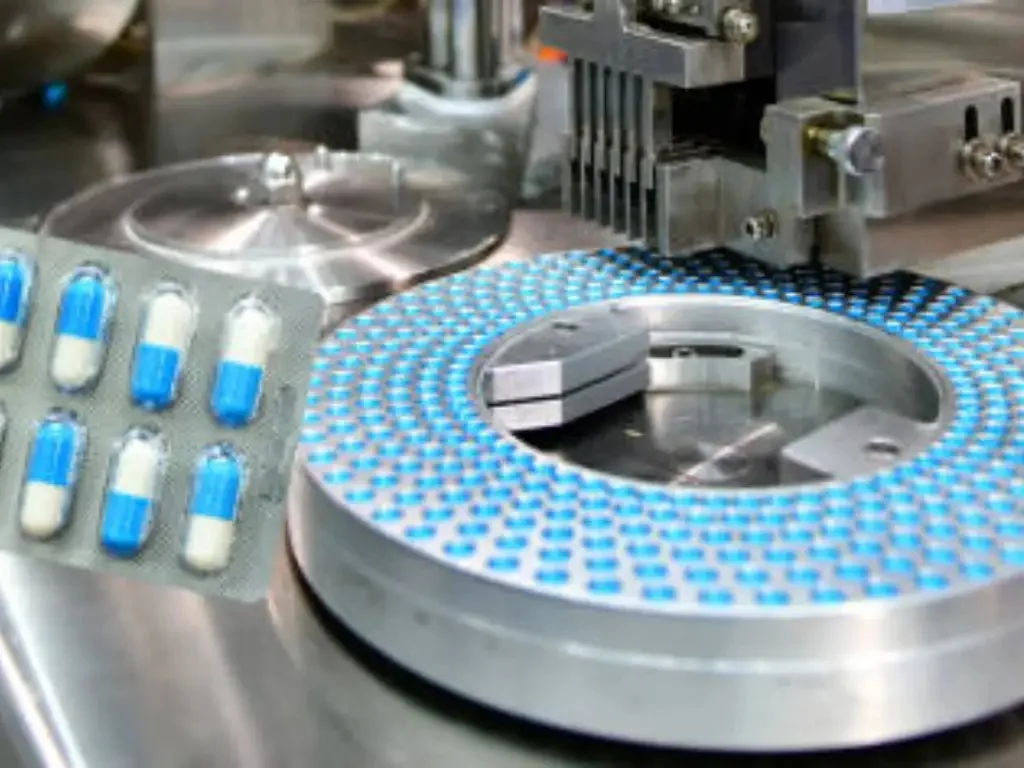
Important Characteristics of a Capsule Filling Machine
Take into account these crucial aspects when evaluating options:
Production Results
Complement your production demand with the machine’s output (capsules per minute). Up to 200,000 capsules can be filled per hour by certain industrial capsule filling solutions.
Accuracy of Filling
For pharmaceutical capsule filling machines, accuracy is essential because it guarantees a constant dosage in each capsule. Seek out devices that use tamping pin systems or donator technology.
Compatibility of Capsule Size
Depending on how your product is formulated, make sure the machine can handle different sizes (such as size 0 and size 1 capsules).
Usability and Maintenance Ease
Operational efficiency is increased and training time is decreased with an intuitive interface. Ensure that cleaning and part replacements are easy.
Adherence to GMP
Pharmaceutical manufacturing requires GMP-compliant equipment. Verify the machine’s compliance with industry standards at all times.
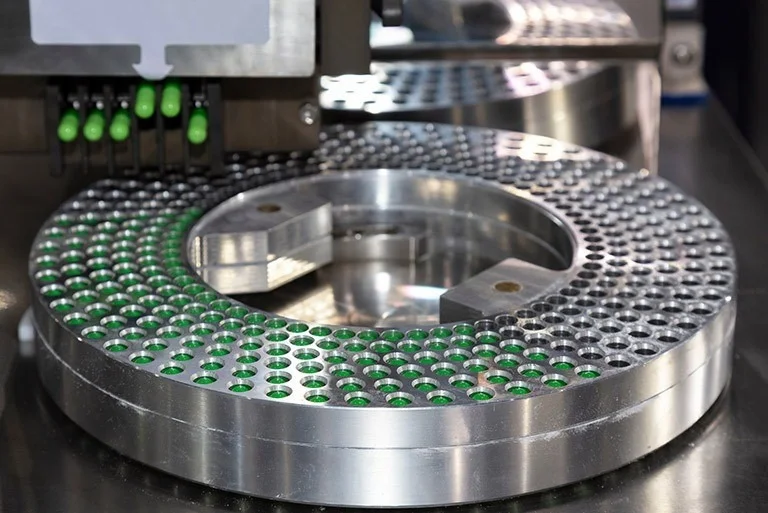
How the Capsule Filling Process Operates
Although the precise procedure differs slightly depending on the type of machine, the following is a general, step-by-step guide:
- Filling the machine hopper with empty capsules
- Separation of the capsule’s body and cap
- Using pellets, granules, or powder for filling
- Locking capsules
- Discharge and ejection
Machines can fill using a variety of techniques, such as liquid filling (less common), pellet dosing, or powder filling.
Typical Errors to Avoid When Purchasing a Capsule Machine
- Selecting a machine solely on the basis of cost
- Disregarding the supported capsule sizes
- Underestimating or overestimating the amount of output required
- Not verifying adherence to GMP
- Ignoring the availability of services and support
Conclusion
Finding the right capsule filling machine isn’t about buying the most expensive model, it’s about choosing one that fits your production line, product type, and business goals. Examine machine specifications, production requirements, and long-term scalability at your leisure.
FAQs
Which capsule filling machine is ideal for small-scale production?
A manual capsule filler or a small, semi-automated machine is frequently adequate for startups or small batches. They work well for small production runs and are reasonably priced and simple to use.
How can I pick a machine to fill capsules?
Take into account your budget, industry regulations, production volume, and capsule type. Additionally, determine if you require automatic, semi-automated, or manual systems.
Is it worthwhile to invest in an automatic capsule filler?
Yes, provided that consistent, high-volume production with little human error is required. Automatic capsule filling machines produce results of expert quality while saving time and labor.
What distinguishes automatic capsule fillers from manual ones?
Manual machines are best suited for low volume and require manual operation. Capsule separation, filling, and sealing are all done by automatic fillers, which process thousands of capsules every hour.