Gravure Printing Presses: Why They Are Ideal for High-Volume Packaging Runs
Efficiency, consistency, and quality are not only desirable but also necessary in the cutthroat world of packaging. Gravure printing presses are the solution for companies that require large-scale packaging printed with remarkable image accuracy and durability. These devices are well-known for their steady output and high speed, making them an excellent option for printing large quantities of packaging. However, why is gravure the preferred mass production technique in the packaging sector? Let’s investigate.
How Does Gravure Printing Operate?
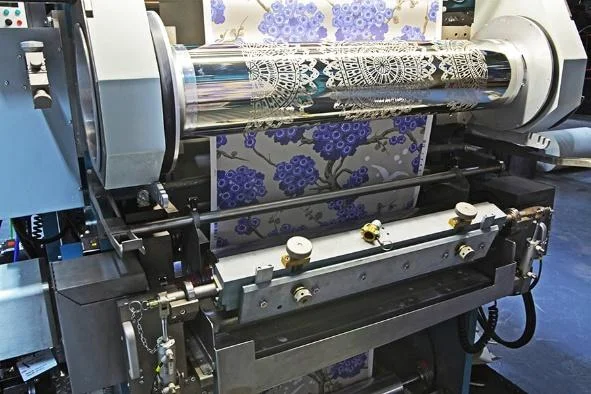
Images are engraved directly onto a cylinder in the intaglio process of gravure printing, sometimes referred to as rotogravure printing. The substrate, which is usually flexible packaging materials like paper, foil, or plastic films, receives the ink that is held in these engraved cells. For long-run print jobs where image clarity and consistency are crucial, this engraved cylinder printing method is perfect because it produces accurate and repeatable results.
Which Is Better for Packaging: Flexographic or Gravure Printing?
When selecting equipment, many printers frequently contrast flexo and gravure printing. Gravure presses are excellent for high-speed packaging printing and complex image reproduction, while flexography is excellent for shorter runs and speedier turnarounds.
Gravure is superior in large-scale operations for the following reasons:
- Better consistency of images
- Superior reproduction of tone
- Durable cylinders
- Few setup changes between runs
Benefits of Mass Production with Gravure Printing
Gravure printing for packaging is trusted globally for a number of reasons:
Superior Print Quality
Gravure produces rich, vivid graphics because of continuous tone image reproduction, which makes it ideal for brand packaging that needs to be noticeable on store shelves.
Quick Production Rates
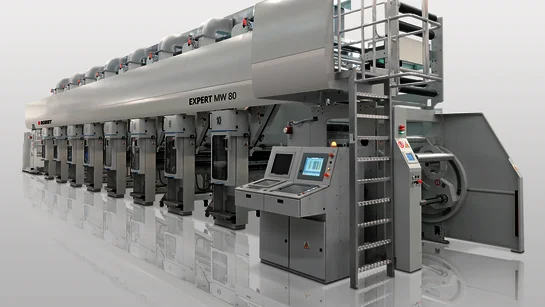
With a maximum speed of 600 meters per minute, modern industrial printing machines are built for high-speed printing technology. For large print runs and strict deadlines, that is perfect.
Long-Term Repeatability
Whether it’s the first or the 50,000th print, gravure printing equipment maintains consistent quality—a major plus for global brands.
Sturdiness under Adversities
Gravure packaging, which uses solvent-based ink printing, is resistant to moisture, fading, and smudging, which is important for flexible packaging printing in the food, pharmaceutical, and cosmetics industries.
Is Packaging with Gravure Printing Cost-Effective?
Even though cylinder engraving may initially cost more than other printing techniques, gravure printing eventually becomes more cost-effective because:
- Minimal waste of ink
- Very little downtime
- Reduced reprints because of quality problems
- Extended life of the cylinder
It is the best printing press for packaging when cost-per-unit and consistency are important because of its impressive return on investment in high-volume settings.
Applications in Flexible and Rigid Packaging
Gravure is utilized in everything from cardboard cartons and labels to roll-to-roll printing on plastic films:
- Packaging for snacks
- Labels for beverages
- Containers for cosmetics
- Drugs
- Bulk packaging for industry
Both local manufacturers and large corporations trust this packaging printing solution.
Why Opt for Gravure Printing for Big Packing Runs?
In conclusion, gravure presses provide the consistency, speed, and print durability you require when creating tens of thousands, or even millions, of identical, superior packages. It is designed for large-scale printing techniques that demand accuracy over time, in contrast to other approaches.
Conclusion
It’s time to think about purchasing high-quality gravure printing presses if your company relies on consistency in lengthy print runs or if you want to increase packaging production without sacrificing quality. Working with the best supplier of industrial gravure machines will guarantee that you get the ideal setup for your requirements, whether you’re just starting out or ready to upgrade.
FAQs
What is gravure printing and how does it work?
Gravure printing, also known as rotogravure, is a high-speed printing method where images are engraved onto a metal cylinder. These engraved cells hold ink and transfer it directly onto flexible packaging materials like paper, plastic, or foil. It’s ideal for long runs because of its accuracy, consistency, and rich image reproduction.
Why is gravure printing better for high-volume packaging runs?
Gravure printing is designed for large-scale production. It offers faster printing speeds (up to 600 meters per minute), superior image consistency, and long-lasting cylinders, which reduce downtime and improve efficiency over long print runs.
How does gravure printing compare to flexographic printing?
While flexographic printing is often used for shorter runs and quick jobs, gravure printing is better for large, high-quality production jobs. Gravure provides better tone reproduction, more durable equipment, and consistent results across tens of thousands of prints.
Is gravure printing cost-effective for packaging?
Yes, especially for high-volume production. Although the initial setup, like cylinder engraving, may be more expensive, the long-term benefits, minimal ink waste, fewer reprints, and lower maintenance, make it highly cost-effective in the long run.
What types of packaging are best suited for gravure printing?
Gravure printing is commonly used for flexible and rigid packaging, including snack wrappers, beverage labels, cosmetic containers, pharmaceutical packs, and industrial bulk packaging. It’s preferred where visual quality and print durability are essential.