Designing a Productive Small Office: Smart Tips for Big Results
Designing a productive small office is no longer a luxury in today’s fast-paced workplace, regardless of whether you’re operating a small business or working from home. It’s essential. Even with a small workspace, a well-designed office can improve concentration, lower stress levels, and boost productivity. To help you transform your small workspace into a productive powerhouse, this guide will walk you through space-saving office solutions, clever organization tips, and small office design ideas.
Effective Small Office Design Ideas
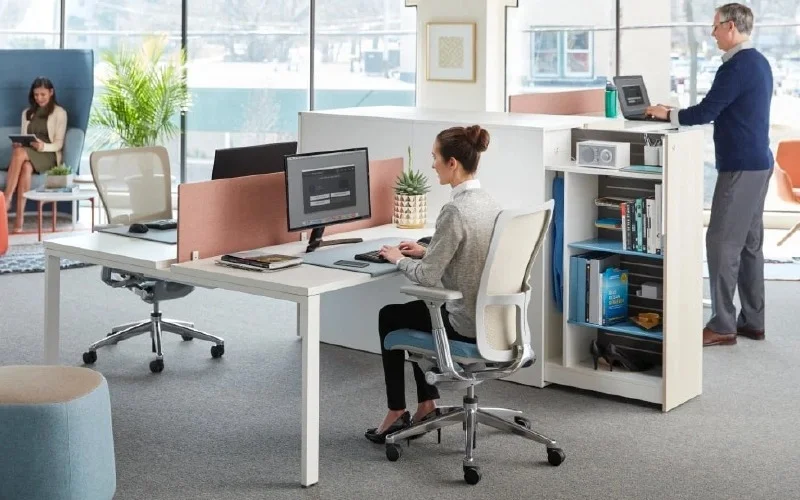
You can still have a stylish and functional office even if it’s small. Here are some ideas for a small office layout to get you started:
- Select multipurpose pieces of furniture, such as workstations with integrated storage
- Make use of vertical space for wall organizers and shelves
- To prevent clutter, adhere to minimalist small office design guidelines
- Invest in smart lighting because it enhances mood and productivity in offices
Keep things tidy and uncomplicated. Focus can be destroyed by a crowded office filled with pointless objects. Aim for a well-flowing, effective office space planning layout.
How to Set Up a Compact Workspace for Optimal Output
Making the most of every inch is the key to organizing a small office space. Here are some easy wins:
- To save time looking for documents, label everything
- Make use of desktop organizers and drawer dividers
- Install floating shelves, pegboards, and storage beneath desks
- Use productivity tips for small home offices, such as digital to-do lists and daily decluttering
Being structured does not equate to being inflexible. It entails designing a system that complements your natural working style and works for you.
Ergonomic Small Office Configuration: Coziness and Effectiveness
Ergonomics is one of the most neglected elements of a productive workstation. How you feel throughout the day is greatly influenced by your desk height, chair, screen position, and even lighting.
To create a small office space that is ergonomic:
- Select a chair that is both adjustable and supportive
- To prevent neck strain, position your monitor at eye level
- Make use of a mouse and keyboard that lessen wrist strain
- To lessen eye strain, choose task lighting that can be adjusted
If properly designed, even a cozy workspace in a tiny corner can outperform a large, opulent office.
Flow Is Everything: The Ideal Layout for a Small Office
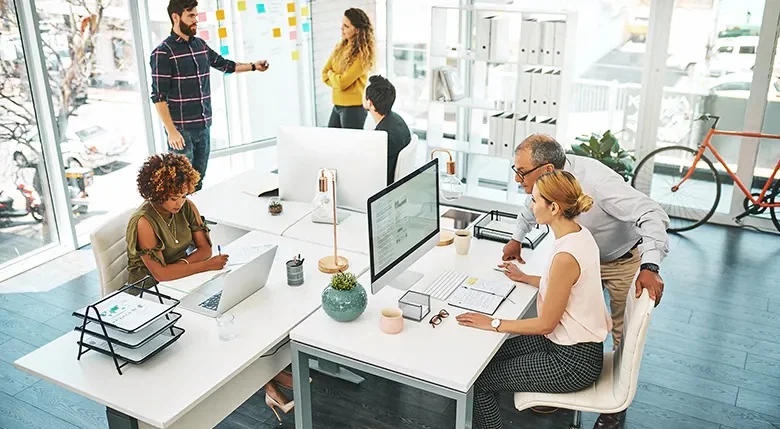
Layout is important. For small office spaces, the ideal arrangement is one that lets you move around comfortably, get to things quickly, and concentrate without interruptions.
Take a look at these formats:
- L-shaped desks maximize corners and offer separate zones for computer and writing tasks
- Desks that are wall-mounted or floating help conserve floor space
- To distinguish the work area from the rest of the space, add a tiny rug or partition
- Place your desk in a low-traffic area to block out distractions like TV and household noise if you’re working from home
Budget-Friendly Office Furniture: Fits the Need
You don’t have to splurge on high-end office furniture. Small office furniture that is both reasonably priced and functionally sound is available.
Seek out:
- Height-adjustable standing desks
- Foldable or stackable chairs for guests
- Desks with secret storage
- Storage carts that roll
You can set up a professional, compact workspace without going over budget by shopping online or at thrift stores.
Tips for Small Office Lighting and Décor
The lighting is crucial. Poor lighting causes fatigue and reduces productivity. For small office spaces, the ideal lighting consists of:
- Putting your desk close to a window for natural light
- Warm task lighting for working late at night
- Intelligent light bulbs with programmable color temperatures
When it comes to small office decor, choose muted hues and lots of personal touches, such as motivational prints, a small plant, or a picture.
Making a Functional Minimalist Office
Not only is a minimalist small office design stylish, it’s also useful. There is less mental clutter when there is less stuff.
- Remain with the furniture that is absolutely necessary
- Instead of using filing cabinets, use digital storage
- Maintain a soothing and neutral color scheme
- Put non-daily items away
Increased focus and improved office productivity are closely related to minimalist design.
Conclusion
The key to creating a productive small office is to work smarter, not harder. You can create a workspace that not only looks fantastic but also helps you accomplish more each day with careful planning, a few carefully selected items, and the ideal lighting and arrangement. Therefore, keep in mind that efficiency matters more than size whether you’re organizing a home office, remodeling a tiny startup space, or simply attempting to increase productivity in a small space.
FAQs
Which small office design concepts are the most promising for 2025?
To increase productivity in small spaces, choose natural lighting, vertical storage, ergonomic furniture, and minimalist layouts.
How can I improve the functionality of a small office layout?
Use mobile storage options, floating shelves, and L-shaped desks to increase usability without taking up too much room.
What makes ergonomic design crucial in a small office setting?
Good ergonomics help you stay focused longer, avoid fatigue, and lessen discomfort—even in small spaces.
Is it possible to design a productive workspace on a tight budget?
Yes! Look for inexpensive small office furniture, DIY desk hacks, and second-hand ergonomic chairs.
What are some clever office space organization tips?
Label storage areas, use drawer dividers, declutter regularly, and invest in modular organizers.