Backyard Pool Installation: What Most Homeowners Overlook
Installing a backyard pool is one of the most exciting upgrades homeowners dream about. In addition to enhancing the aesthetics of your outdoor area, a private pool serves as a hub for summertime fun, family time, and relaxation. But a lot of people jump right into the process without taking into account the important details. Actually, most homeowners make a number of mistakes when installing a backyard pool, which can result in increased expenses, safety hazards, or even regrets down the road. This guide will help you create the pool paradise you’ve always desired by guiding you through the often overlooked aspects of installing a backyard pool.
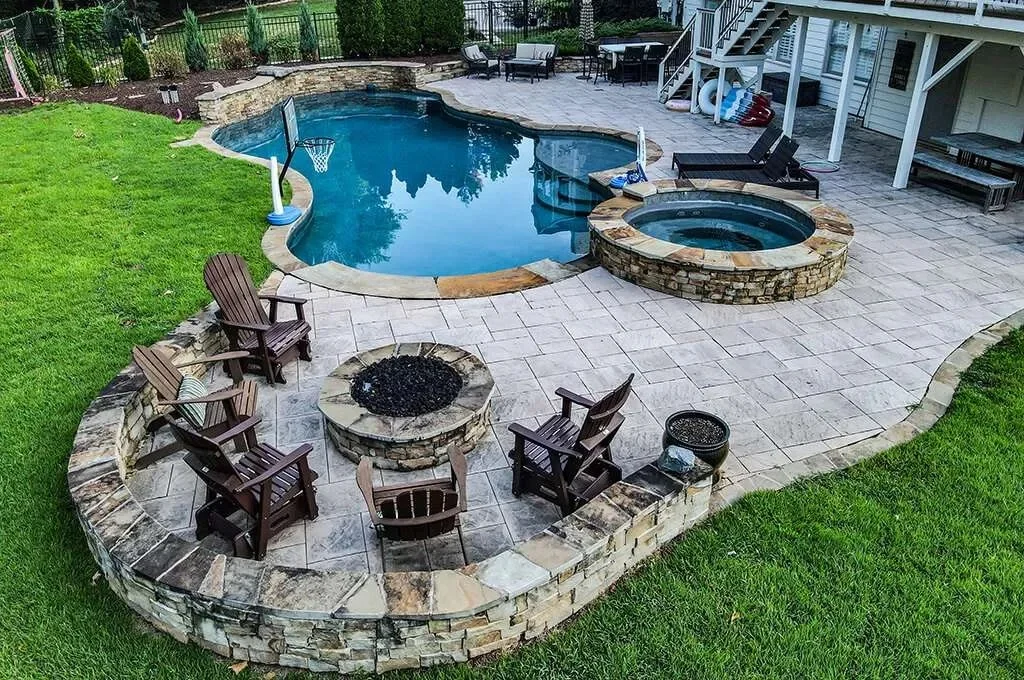
Things Most Homeowners Don’t Consider When Setting Up Backyard Pools
Underestimating the process’s complexity is one of the main problems. Many people think that installing a pool only involves digging a hole and adding water, but actual pool installation calls for much more preparation. Ignoring long-term factors like soil stability, drainage, and permits is frequently the cause of the most frequent backyard pool errors. Before diving in, it’s critical to understand what homeowners overlook during pool installation because skipping these steps can result in costly repairs later.
Avoid These Common Backyard Pool Mistakes
Ignoring Ground and Soil Conditions
You might be surprised to learn how important the soil beneath your pool is. Over time, your pool may shift, crack, or even leak if the ground is unstable. Before beginning, always have a soil test done.
Ignoring the Pool’s Surrounding Drainage
Another common mistake made when installing a pool in the backyard is poor drainage. Without proper water flow systems, rainwater can flood your pool area, damage landscaping, and weaken your pool’s foundation.
Ignoring the Safety Features of the Pool
Although design and style attract attention, safety should always come first. Many homeowners fail to install fencing, non-slip surfaces, or adequate lighting, putting their families at risk.
Misjudging the Location and Size of the Pool
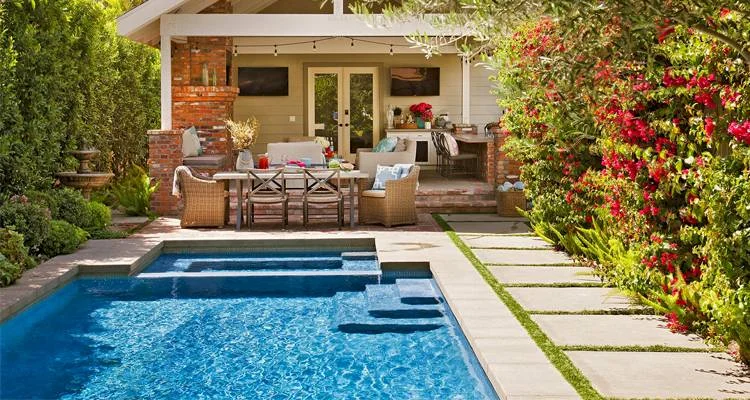
Years of frustration can result from placing your pool incorrectly. Think about privacy, landscaping, sun exposure, and how the pool blends in with the overall design of your backyard.
Failing to Account for Unexpected Expenses
Assuming that the initial outlay is the only investment is another error. When installing a backyard pool, chemicals, maintenance equipment, permits, and higher utility bills are frequently disregarded considerations.
Oversights in Pool Installation That Increase Long-Term Expenses
Many homeowners only consider the pool’s initial cost, ignoring the financial impact of continuing upkeep and energy costs. Long-term costs can be doubled by selecting the incorrect filtration system, omitting a pool cover, or installing antiquated lighting. You can save money and stress by being aware of these common mistakes made when installing a pool.
Concluding Remarks
If done correctly, building a backyard pool can be a profitable investment. The majority of homeowners fail to consider numerous details when installing backyard pools, ranging from safety features to soil conditions. You can make sure your pool looks great and has few problems for years to come by avoiding these common backyard pool mistakes.
FAQs
When installing a backyard pool, what is the most frequent error made by homeowners?
The most frequent error is to underestimate how difficult it is to install a pool. A lot of homeowners neglect things like drainage, permits, and soil stability, which can later result in expensive repairs.
How crucial is it to test the soil before building a pool?
Testing the soil is essential. Over time, unstable soil may cause the pool to shift, crack, or leak. A professional soil test guarantees that your pool can be safely supported by the ground.
Why is drainage crucial when installing a pool in the backyard?
Rainwater flooding your pool area, destroying landscaping, and eroding the pool’s foundation are all avoided with proper drainage. Ignoring drainage can result in structural problems down the road.
Does my backyard pool require the installation of safety features?
Indeed. To keep your family safe and lower the chance of accidents, safety features like fencing, non-slip surfaces, and adequate lighting are crucial. These are often disregarded by homeowners, which raises the risk of accidents.
How can I pick the ideal spot and dimensions for my backyard pool?
Think about landscaping, privacy, sun exposure, and how the pool blends in with the overall design of your backyard. A badly positioned pool can restrict use and lead to years of frustration.
What unforeseen expenses can I anticipate when investing in a backyard pool?
Expect continuing costs for things like chemicals, maintenance tools, permits, energy bills, and repairs in addition to the initial cost of construction. By taking these into account, financial surprises can be avoided.