Beyond the Runway: How Modelling Reflects Society
Modelling frequently seems to be about style, trends, and glamour in the glitzy world of fashion. But if you dig a little deeper, you’ll discover that modelling is a potent social mirror that reflects identity, cultural shifts, beauty standards, and societal problems. More than ever, the fashion industry is embracing representation, inclusivity, and meaning in addition to aesthetics.
Fashion as Social Criticism: Beyond Clothing
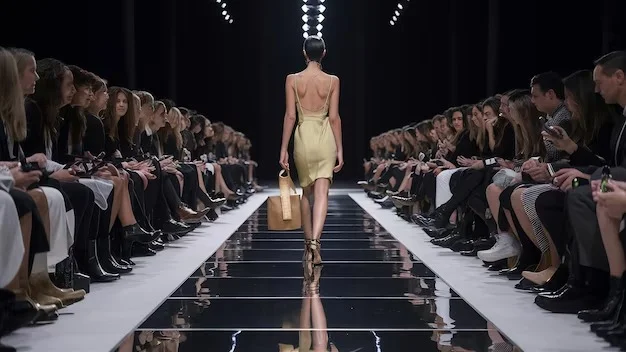
Even in the absence of words, fashion has always had a powerful voice. Fashion has evolved into a platform for social commentary, from political slogans on T-shirts to daring runway statements. With every step they take on the catwalk, models, who are cultural icons, convey messages about racial justice, feminism, and climate change. Fashion designers such as Dior and Balenciaga have utilized their runway presentations to express their views on global inequality and women’s empowerment. This demonstrates the growing connection between fashion and social change.
Modelling Representation: Dismantling Conventions
In recent years, representation in modelling has become one of the most talked-about changes. Today’s modelling scene celebrates diversity in fashion modelling, which is no longer restricted to a single body type, ethnicity, or gender. Previously exclusive to a limited definition of beauty, plus-size models, transgender icons, and individuals of all ages are now seen walking the runways.
Our society’s desire to be seen and accepted for who we are is reflected in the rise of inclusive fashion campaigns and diversity in the real world. The message is that evolving beauty standards are more inclusive than ever before, and it celebrates all forms of identity.
Identity and Fashion: Expressing Our True Selves
What we wear reveals something about our personalities. Fashion and identity are therefore closely related. Gender representation in modelling is evolving into something more fluid and expressive, whether it’s androgynous clothing lines or the hijab in a mainstream fashion shoot. By embracing this shift, the modeling world is telling society that identity is personal and evolving—just like fashion. Stereotypes are giving way to modelling, and society is collaborating to promote individuality.
Fashion’s Cultural Influence
Fashion trends spread throughout cultures across continents, frequently exposing what people value at any given moment. It is impossible to overstate the influence of fashion on culture. For instance, Asian influences, Indigenous designs, and traditional African prints are celebrations of heritage rather than merely fashion statements. Society has always danced with runway trends. Models’ attire frequently reflects the mood and movement of the world, from minimalism during recessions to punk rock rebellion.
Fashion Industry Body Image
Fashion was criticized for decades for encouraging unattainable body ideals. However, things are evolving. In the fashion industry, the discussion about body image is more important and louder than ever. Today’s top campaigns feature models of all sizes, encouraging viewers to embrace who they are. This change is not only morally right, but also profitable. Customers seek out brands that share their values, and embracing all bodies promotes the development of both people and businesses.
Conclusion
The days of fashion consisting solely of fabric and flair are long gone. Modelling now leads discussions about acceptance, equality, and identity while also reflecting cultural changes and questioning outmoded conventions. The fashion industry’s ability to reflect society will only become more powerful and genuine as we move forward.
FAQs
How do cultural changes manifest themselves in modelling?
By showcasing evolving values, diversity, and social issues on runways and in advertising campaigns, modelling reflects cultural changes.
How do models influence societal trends?
Models frequently act as cultural icons and influencers, influencing public opinion and drawing attention to social issues.
What makes representation crucial in modelling?
Because it encourages inclusivity, dispels stereotypes, and affirms the identities of diverse communities, representation is important.
How are the fashion industry’s standards of beauty evolving?
In order to allow for greater self-expression, contemporary beauty standards are embracing gender fluidity, age diversity, and body positivity.
What kinds of fashion campaigns are inclusive?
Inclusive advertising campaigns with models of various sizes, backgrounds, and abilities have been spearheaded by companies such as Fenty, Dove, and Chromat.