Fifth Wheel Hitches and Heavy Loads
When you’re towing large trailers, massive RVs, or heavy construction equipment, not just any hitch will do. You need serious power. You need full control. Most of all, you need the best fifth wheel hitch for heavy loads, one that delivers performance and safety across every mile. Whether you’re a weekend camper or a full-time hauler, this guide will help you understand fifth wheel hitches, their weight capacities, and how to create the right setup for towing heavy loads safely and efficiently.
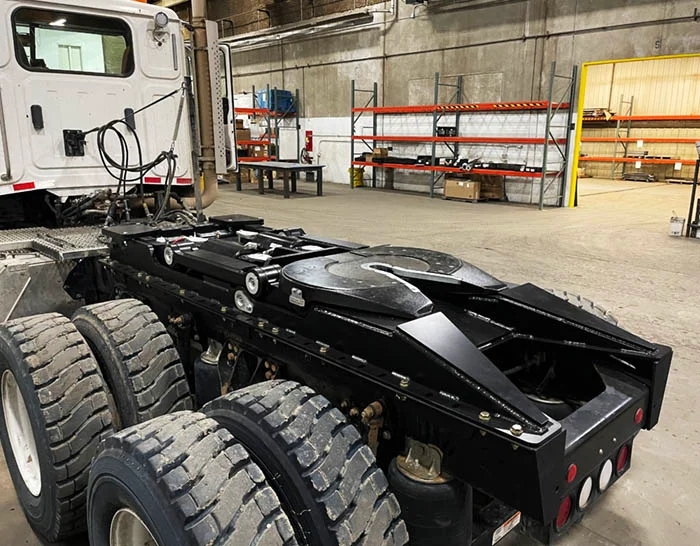
Why Choose a Fifth Wheel Hitch for Heavy-Duty Towing?
If you’ve ever towed a big trailer with a regular ball hitch, you know how quickly things can get unstable. Fifth wheel hitches are different. They’re installed directly over your truck’s rear axle, offering:
- Improved weight distribution
- Increased stability on the road
- Smoother, tighter turns
- Greater towing capacity
That’s why they’re the top choice for towing campers, horse trailers, and large equipment trailers. When it comes to towing heavy loads, a fifth wheel hitch delivers the control and confidence you need.
Best Fifth Wheel Hitches for Heavy Loads
Buying a heavy-duty fifth wheel hitch doesn’t have to be overwhelming. Focus on a few key features, and you’ll find the perfect fit for your towing needs.
Weight Capacity
This is the most important factor. Every hitch has a Gross Trailer Weight (GTW) rating. For heavy-duty towing, choose a hitch rated for 20,000 lbs or more. Top-rated models include:
- B&W Companion – up to 25,000 lbs
- Reese Titan 20K – rugged and reliable
- Curt Q25 – supports up to 25,000 lbs, ideal for large trailers
These hitches are trusted for their strength, durability, and ease of use when towing heavy loads.
Pin Weight Support
In addition to overall GTW, your hitch must handle the pin weight—the downward force on the truck bed. Failing to account for pin weight can lead to damage or poor handling.
Truck Compatibility
Always check if the hitch fits your truck’s bed size and rail system. Some hitches offer drop-in installation, while others require custom brackets or drilling.
your truck’s bed size and rail system. Some hitches offer drop-in installation, while others require custom brackets or drilling.
Fifth Wheel Hitch Weight Capacity
Most high-capacity fifth wheel hitches are rated between 16,000–30,000 lbs, depending on the model. But it’s not just about the hitch, your truck’s towing capacity must also support the total trailer weight.
Here’s how the weight rating system works:
- GTW (Gross Trailer Weight): Total loaded weight of the trailer
- Pin Weight: Downward pressure on the hitch (typically 15-25% of GTW)
- Towing Capacity: The maximum your truck can tow safely
Ignoring these factors can put your equipment and your safety at risk.

Key Things to Remember When Towing Heavy Loads with a Fifth Wheel
Towing safely is about more than just hooking up a trailer. Keep these tips in mind when towing heavy loads:
- Distribute your load evenly for better handling
- Never exceed your hitch or truck’s weight limits
- Inspect trailer lights and brakes before every trip
- Regularly check your hitch for wear or loose parts
Consider reading a fifth wheel towing safety guide or getting hands-on training if you’re new to heavy-duty towing.
Gooseneck vs Fifth Wheel: Which Is Better for Heavy Loads?
Many haulers wonder about the difference between gooseneck vs fifth wheel hitches. Both are built for strength, but they serve slightly different purposes.
Gooseneck
- Ideal for commercial or agricultural towing
- Takes up less space in the truck bed
- Best for flatbeds, dump trailers, or livestock haulers
Fifth Wheel
- Better for recreational towing
- Smoother ride and easier hookup
- Preferred for RVs, campers, and towing large trailers
If comfort and control are your priority, especially on long trips, a fifth wheel hitch for heavy loads is the smarter choice.
Tips for Installing a Fifth Wheel Hitch
A proper install is essential for safety and performance—whether you do it yourself or hire a pro.
Here are some proven fifth wheel hitch installation tips:
- Mount the hitch directly over the rear axle for balance
- Use the manufacturer’s torque specifications, don’t guess
- Grease the kingpin and locking jaws regularly
- If unsure, search for fifth wheel hitch installation near me and get help from a professional
Conclusion
Peace of mind is more important than specs when selecting a fifth wheel hitch for heavy loads. You want to be sure that your equipment won’t fail you when you’re driving, especially if you have a large trailer behind you.
FAQs
What size fifth wheel hitch do I need for heavy loads?
You’ll need a hitch rated for your trailer’s GTW. Most heavy-duty trailers require 20,000–30,000 lbs rated hitches.
Can a fifth wheel hitch tow 20,000 lbs?
Absolutely. Models like the Reese Titan 20K and Curt Q25 are built to tow even more.
How do I choose the right fifth wheel hitch?
Focus on three things:
GTW rating
Pin weight support
Truck bed and rail compatibility
Is a gooseneck better than a fifth wheel for heavy towing?
For commercial use, goosenecks might be more practical. But for comfort and safe towing of large campers, a fifth wheel is better.